

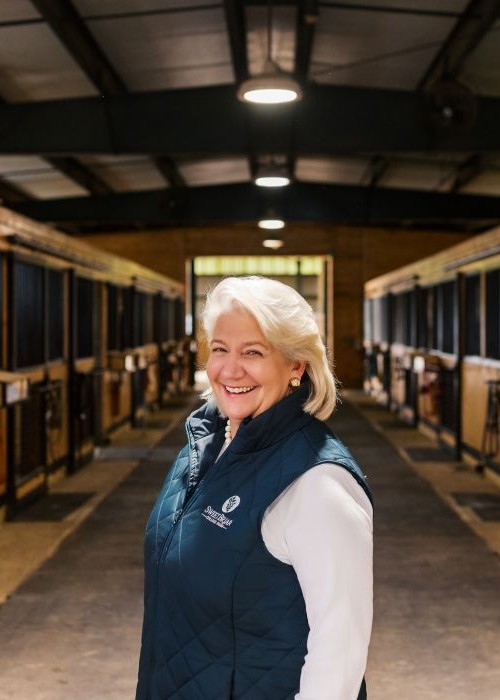

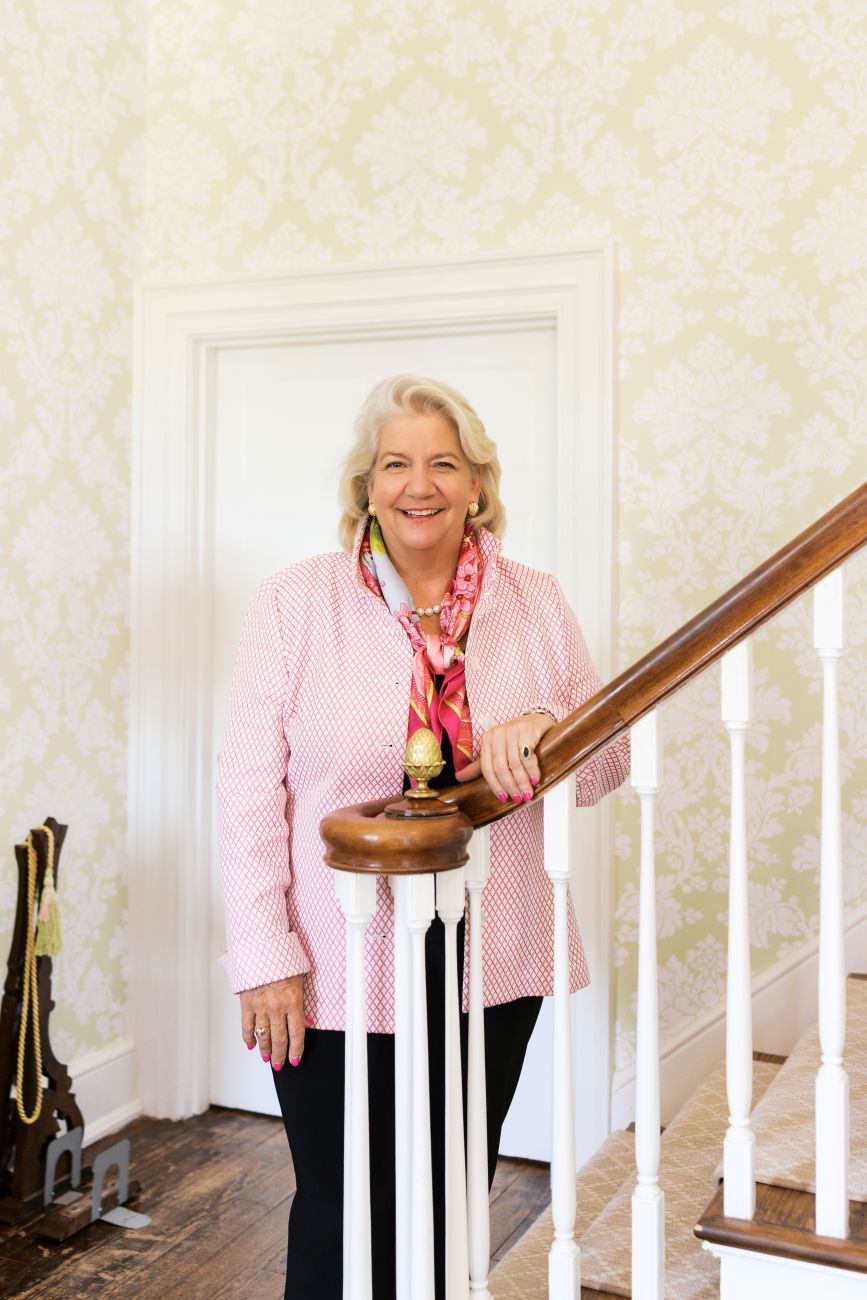
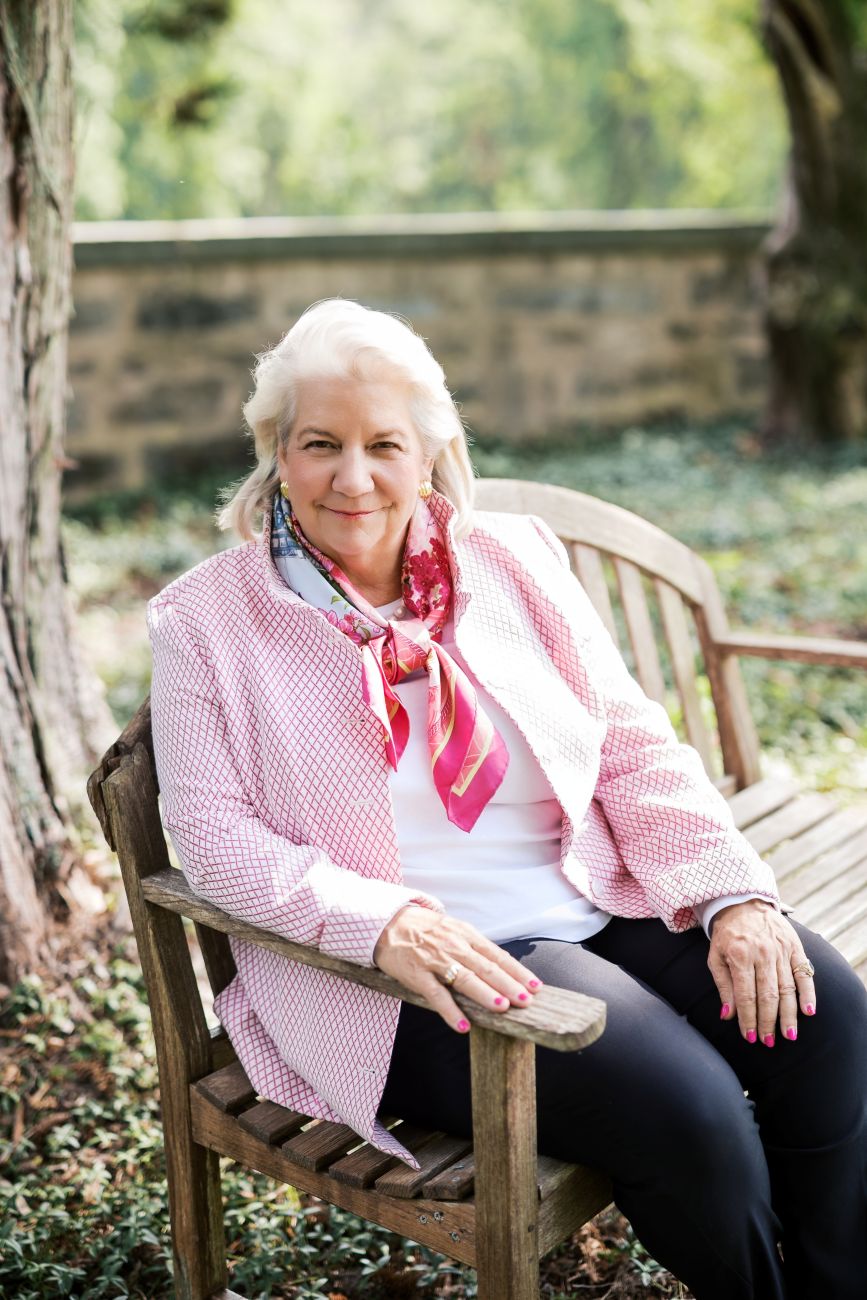
Before she arrived to talk with IW Features, Mary Pope Maybank Hutson was looking for a pink scarf to match her jacket. She’s the picture of a well-educated, well-traveled Southern woman, and she cracked jokes about capturing her good side in photos. But beneath the hot pink nail polish, pearls, and slingback heels is a woman who treats success as inevitable and will fight impossible odds to ensure it.
Hutson is president of Sweet Briar College, a women-only school in rural Virginia. When Sweet Briar almost closed in 2015, she was on the frontlines of saving the school. In 2024, she rededicated the school to being an all-female college. This year, the college celebrates its 125th anniversary. Hutson, an alumnae of the school herself, recalled the moment nearly a decade ago when she heard Sweet Briar was on the verge of closing its doors.
“I was sitting in a large conference room in Sacramento,” Hutson told IW Features. “I looked at my phone. It was blowing up.”
“I thought, ‘No, this can’t happen,’” she continued. “I was about to give a speech to 400 people about the state of land conservation in America… I threw my speech out. I got up, and I talked about not taking things for granted.”
At that moment, Hutson said she decided she would do whatever it took to save Sweet Briar.
As she traveled home, she connected with the alumnae community as they organized to fundraise $21 million in 90 days. Meanwhile, they launched a legal battle to halt the school’s closure.

“It was [through] donor intent and the will and the imperative that [Sweetbriar founder] Indiana Fletcher Williams placed on women’s education that we were able to prevail in the courts,” Hutson said.
Indiana Fletcher Williams founded Sweet Briar in her will to honor her only child, Daisy, who died at 16, and the college education Daisy never received. Williams not only donated the plantation land on which her family had lived—she willed it into a trust, requiring the property be used to educate women in Daisy’s memory. When the board tried to close the school in 2015, the Virginia Supreme Court ruled Sweet Briar was both a corporation and a trustee of that bequest, still bound by the will’s terms. That gave the state attorney general standing to intervene, leading to a settlement—a new board and $12 million in alumnae donations—that kept the school open.
“No one could shut down Sweet Briar as a corporation because it was a charitable gift of land and money to create a mission for women and young girls,” Hutson added.
Because of Hutson’s and other alumnae’s efforts, students and faculty returned that fall to campus. And as the keys passed from one administration to the next, Hutson was asked to join the new board. That fall, the board met 15 times to plan the school’s future and ensure its survival. During this time, the school’s new president asked Hutson to join the college full time and fundraise for its future.
“I said, ‘Well, no, no, no. I live in Washington. I love Washington. I love the work I’m doing in land conservation,’” Hutson recalled. “And he said, ‘You can protect your alma mater’s land.’”
So in January 2016, Hutson moved back to Sweet Briar, and as student enrollment grew, the institution’s future seemed more certain.
Soon, Hutson was asked to serve as interim president and was instated as its official 14th president in 2023.
Shortly after, Sweet Briar faced another defining moment. The Common Application—a standardized college application that students fill out once and submit to multiple participating schools, rather than filling out a separate application for each one—added “X” or “another legal sex” as an option for applicants’ “legal sex” on the 2023-2024 application. Women’s colleges were at a crossroads: would they admit trans-identified males and nonbinary-identifying students?
President Hutson took a stand for women.
In 2024, Sweet Briar announced that going forward it would only accept female students who were “consistently living and identifying as a woman.” It was “a bold decision,” Hutson admitted. But she said it was also core to Sweet Briar and its founder’s intentions.
“We were intended to be a college for women founded by Indiana Fletcher Williams with the intent of having a place for only women to study and thrive in a safe environment,” Hutson explained.
Personally, Hutson said she knew just how important female-only spaces are, not only from her time at Sweet Briar, but also from her success as a female athlete. She received multiple athletic scholarship offers when applying for colleges, and on Sweet Briar’s tennis team, she qualified for the national tennis championship.
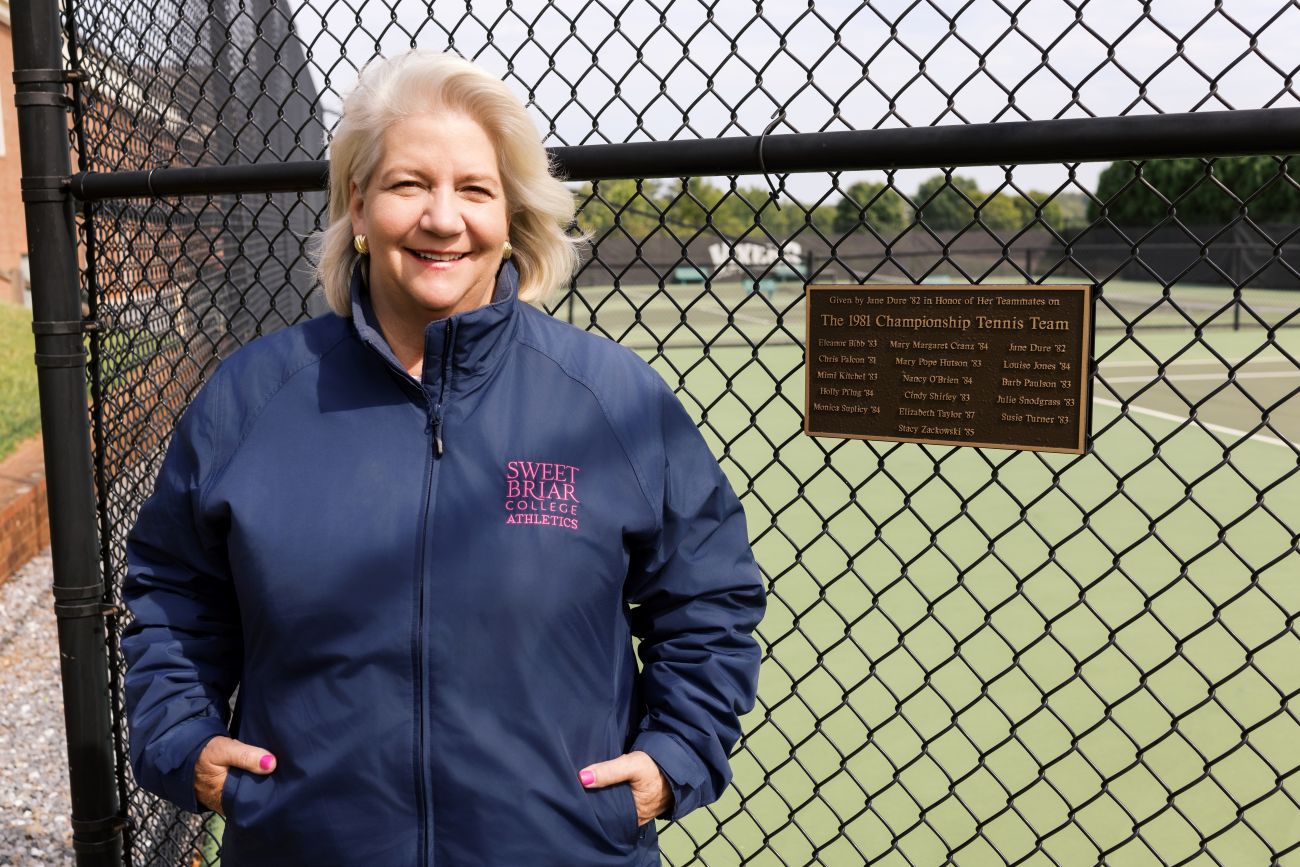
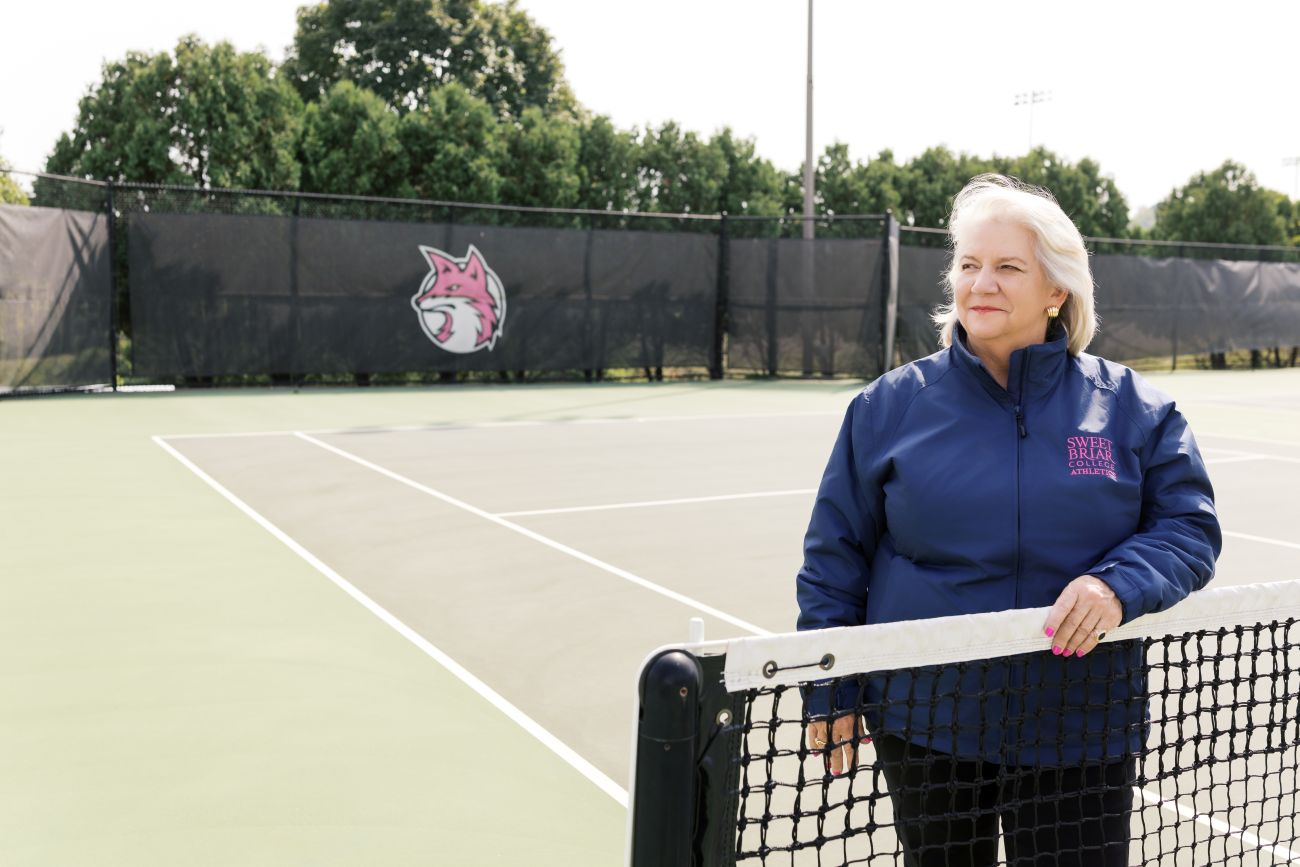
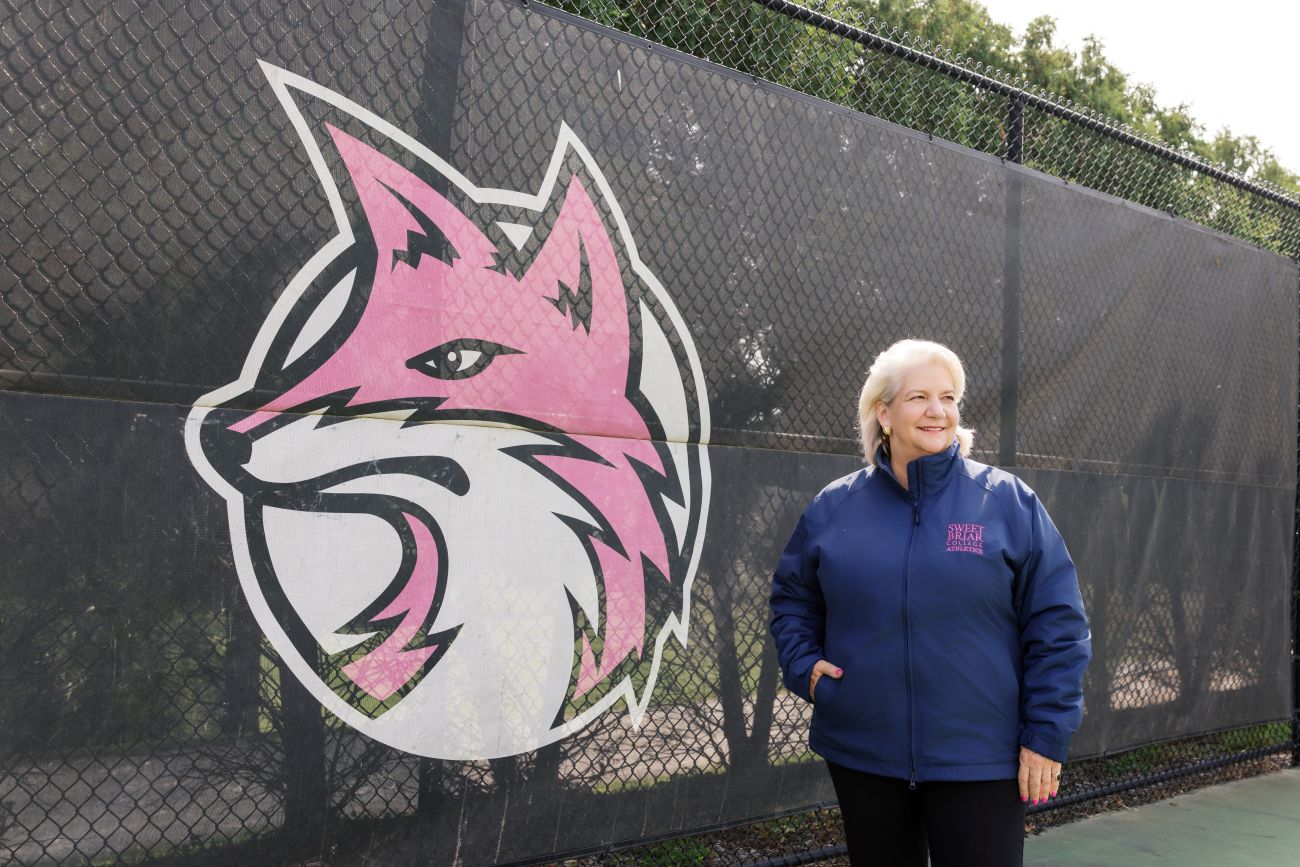
As transgender ideology reached a fever pitch across America and young women were forced to compete against transgender-identifying males, Hutson saw it hurdling toward Sweet Briar.
“With all the advances we’ve made as women in America, Title IX was very important in 1972 to allow women the ability to compete in sports,” she said. “As a NCAA athlete, I can tell you, I believe strongly that we should have that level playing field. And so Sweet Briar will stand for that.”
“We drew the line in the sand and reaffirmed who we are based on donative intent,” Hutson added. “It’s a belief and wanting [for] young women to be able to have the opportunities that I have had.”
The backlash, however, was predictable. Even publications that, years before, when Sweet Briar nearly shut down, had covered the school’s triumphant return, turned on Sweet Briar. A group of students also quickly organized to protest, and some faculty signed a letter trying to overturn the female-only policy.
But Hutson didn’t bow to the pressure. And today, Sweet Briar is one of only three female-only colleges left in America.
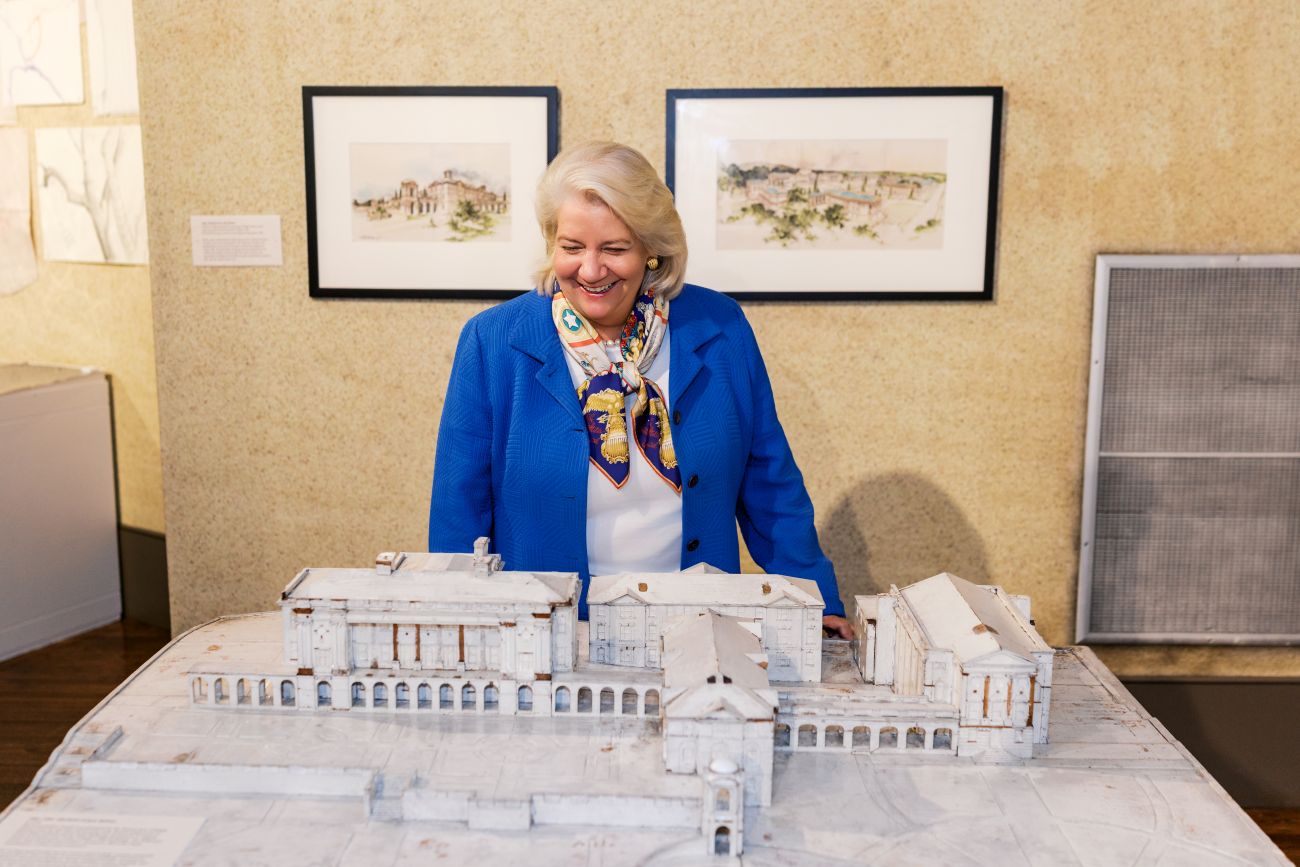
Hutson’s dedication to the school began when she was a student in the early ’80s.
“The place captivated me,” Hutson told IW Features, recalling first seeing the college’s national register historic buildings. “I knew that these were consequential women.”
Hutson had grown up on an all-boys boarding school campus where her father was head of school after he served as a Marine, so to her, going to Sweet Briar felt like a full circle moment.
She majored in international politics, studied abroad, served on the social committee, joined two clubs, and balanced jobs as an admissions tour guide and an athletic trainer. In addition to her tennis prowess, she was point guard on the basketball team. And while being on a team was a skillset at the core of her Sweet Briar years, she cheekily added, “I like to call the plays.”
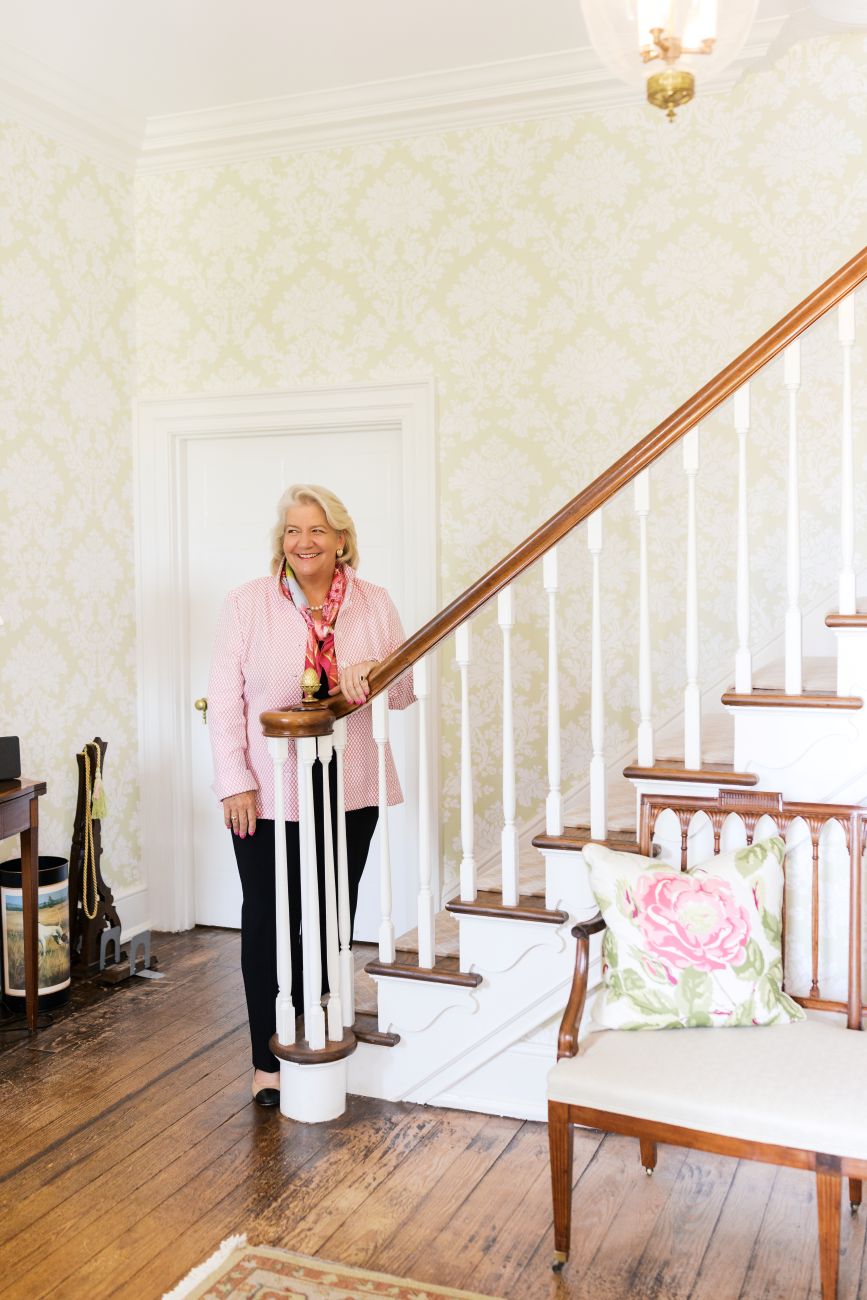
For Hutson, the single-sex education experience in particular was central to her path.
“Single-sex education does give you a very focused approach,” Hutson said. “The ability to focus in on unique areas of women’s strengths, and that is becoming empowered with your voice, understanding your voice, talking freely about how you build community… you’re able to also test your ideas and test them freely and be able to discuss them and have open dialogue.”

In 1983, three months after graduating, Hutson secured a job in Washington, D.C., after being inspired by speakers who’d visited Sweet Briar while she was a student. She soon sought more adventure than D.C. could offer and moved to the U.S. Virgin Islands. When the company that had hired her lost its funding, she got resourceful and worked her list of contacts from the Hill, soon landing a role with the U.S. Department of the Interior in the Office of Territorial and International Affairs. Her work with the department soon brought her to other U.S. territories, too.
“You have to do things that you might never think you would have to do,” she said of her work leading relief efforts during disasters like Hurricane Hugo and Typhoon Kim. “Like get bodies out of islands or provide plastic sheeting to people that don’t have any cover because you’ve had 192-mile-an-hour typhoon hit your island in Saipan.”
Hutson’s career travels and adventures are captured in an eclectic mix of art and photos in her office in Sweet Briar House where she lives on campus. One shelf features a mask from her three years as a diplomat in Nairobi, Kenya, and she slyly pointed out a photo with Harrison Ford. She recalled meeting Richard Leakey, a conservationist who championed ending the ivory trade, going on safari every weekend, and Sandra Day O’Connor’s visit to the country.
“My work was really to support the United States abroad. And we would travel and see all the investments in the country,” she said. “It was just such an amazing learning opportunity about America’s reach throughout the world.”
When her tenure in Kenya came to a close, she moved back to Charleston and quickly began looking for her next career move.
“I did what Mary Pope does,” Hutson said. “I got my real estate license at night. I taught tennis in the daytime… I also worked for the local land trust, helping them to begin raising money from corporate clients.”
Those years fundraising set the stage for the work she does at Sweet Briar. Officially, saving Sweet Briar was the alumnae’s victory in 2015, but Hutson shared that saving Sweet Briar is the community’s ongoing mission to preserve the institution’s rich history and ensure its future legacy.
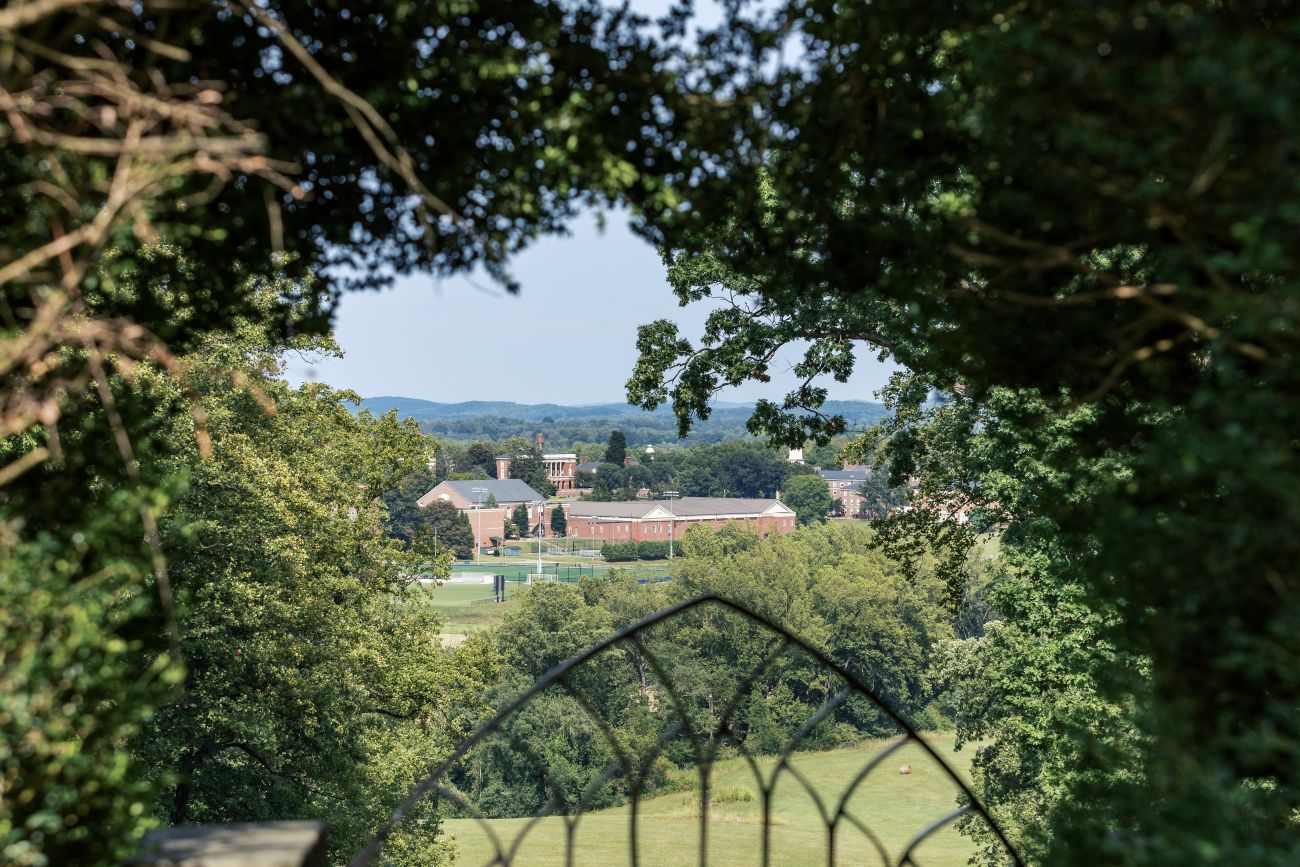
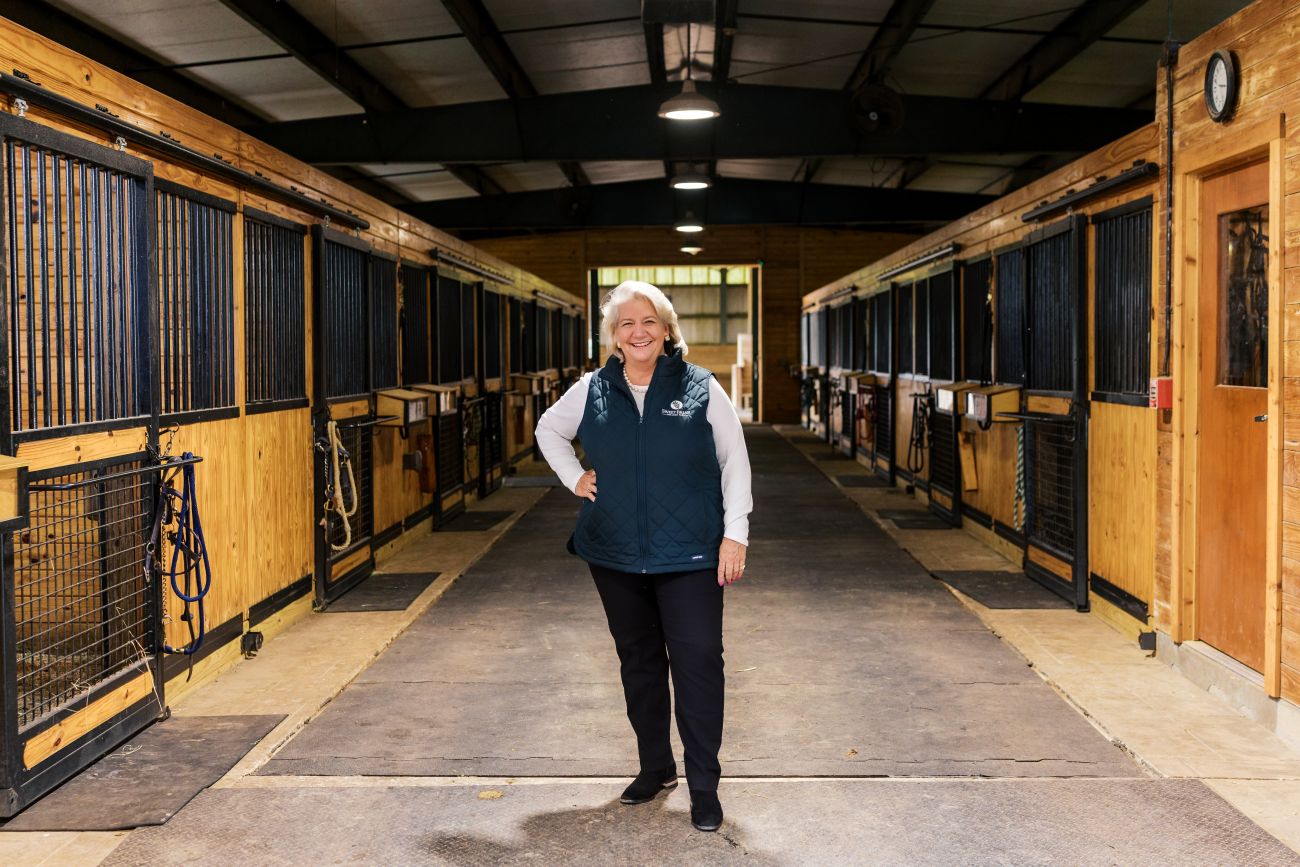
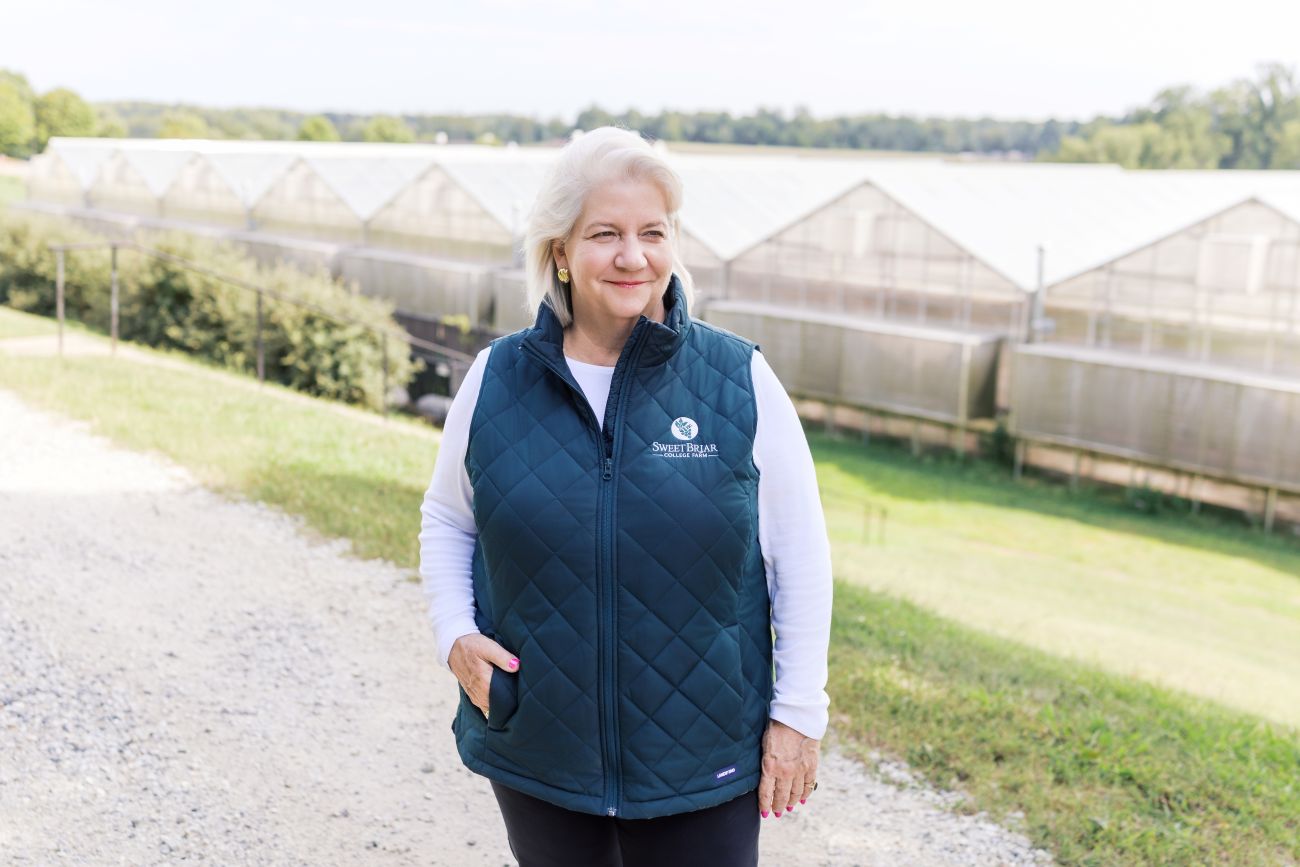
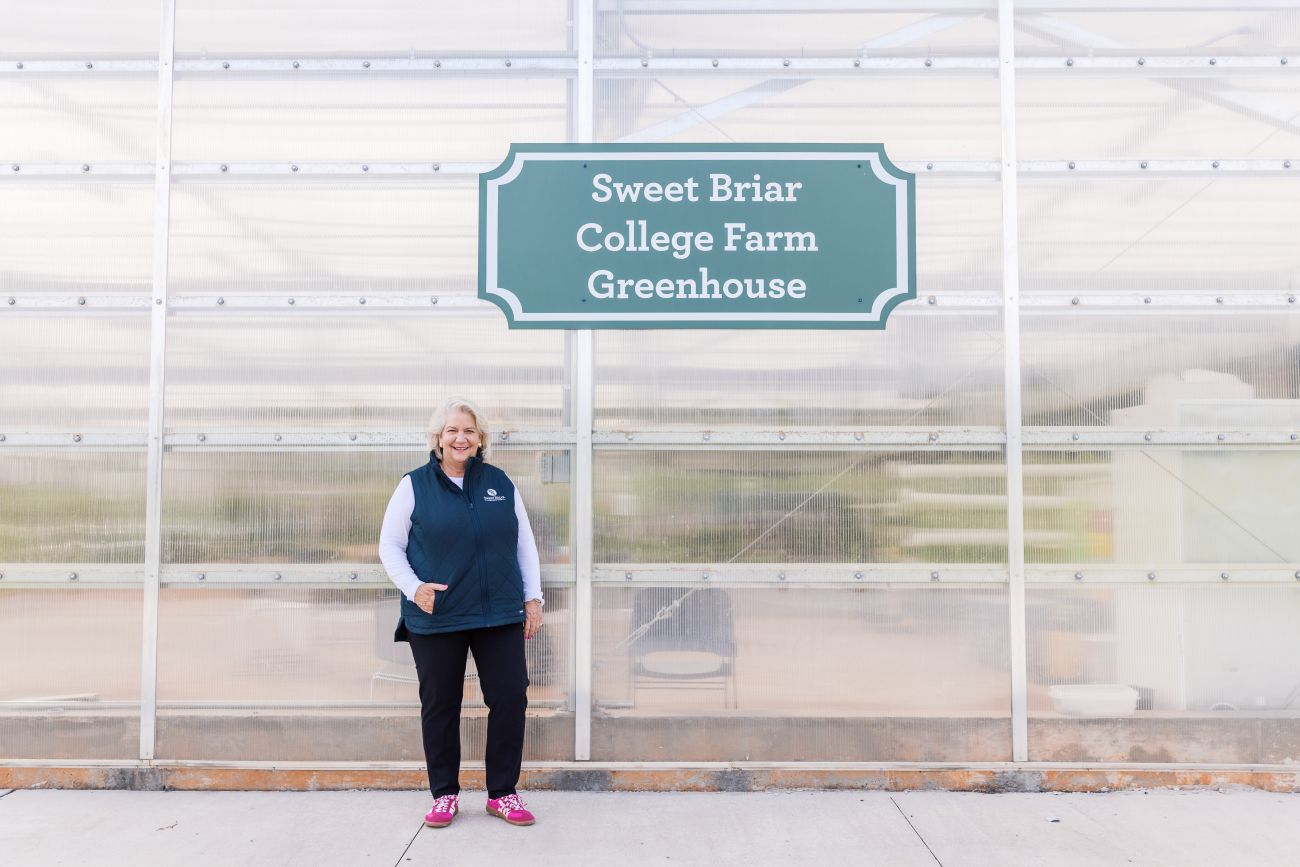
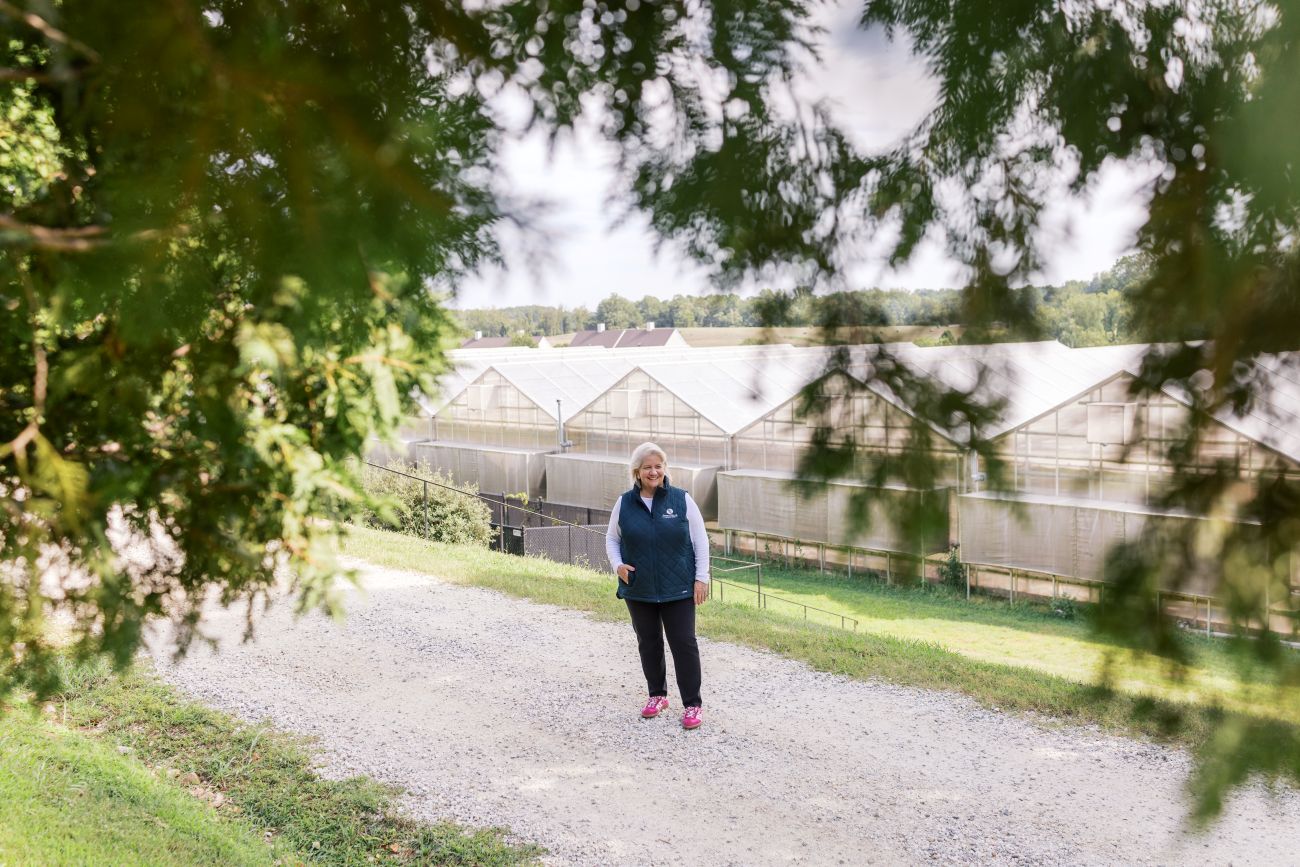
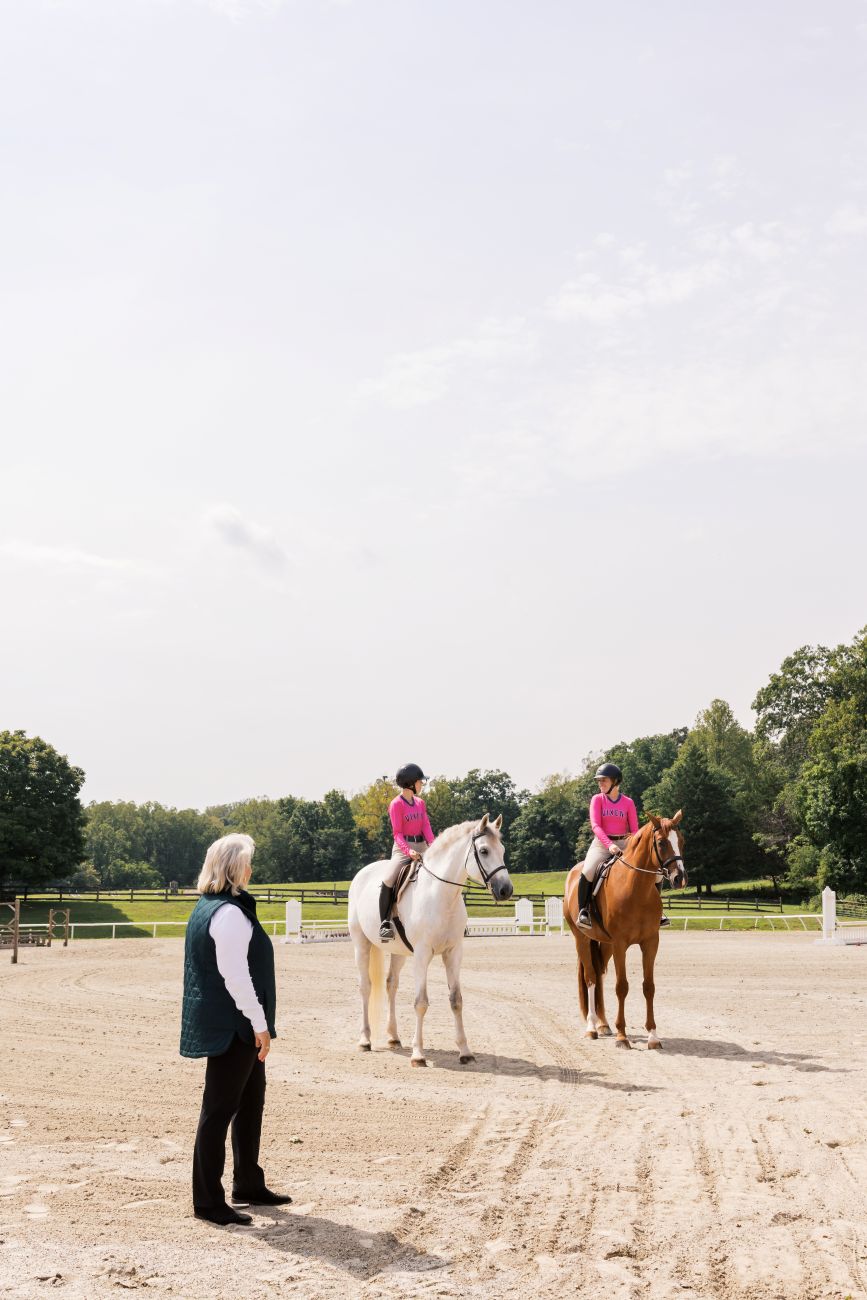
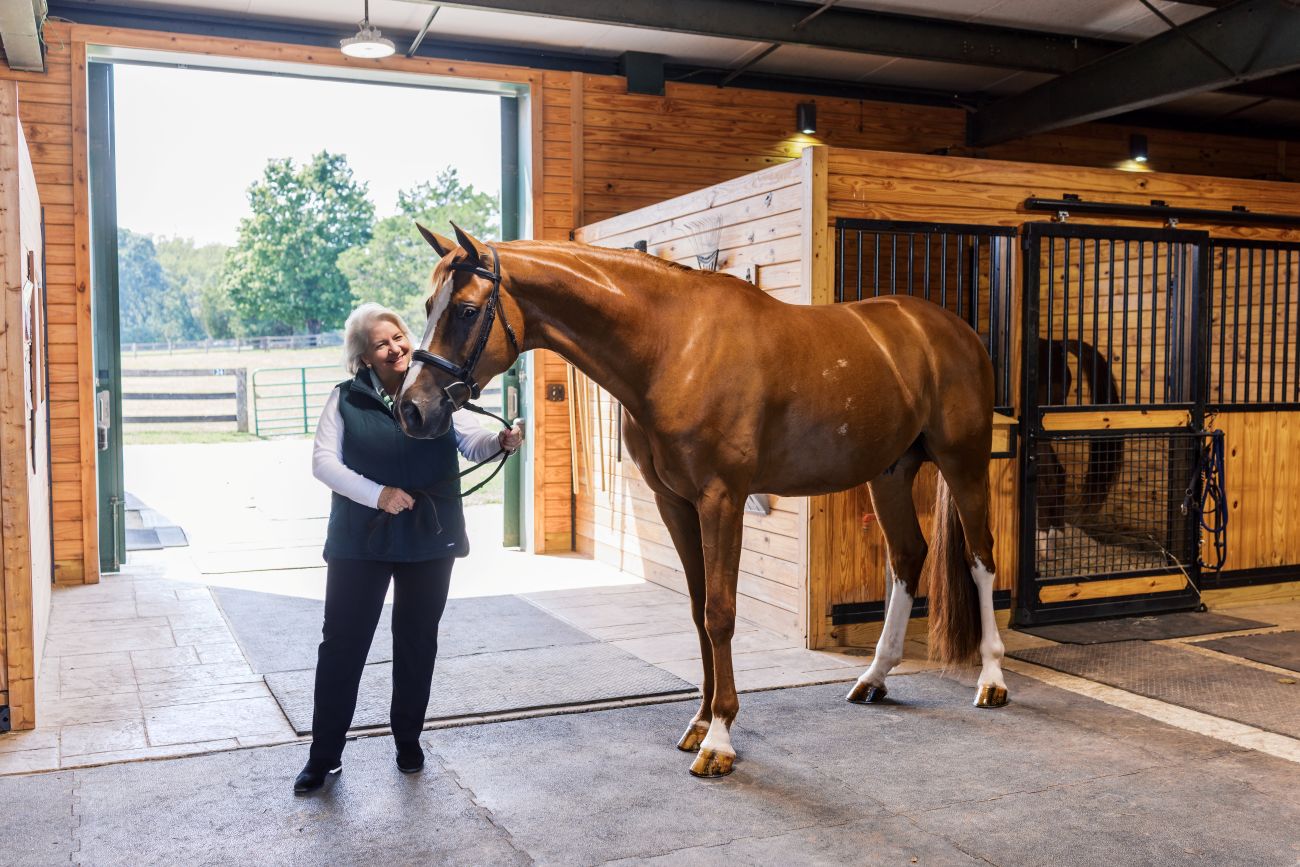
Today, the campus is known for its 100 year old equestrian program, vineyard, 26,000 square foot green house, and 2,847-acre campus. Hutson also shared that the school’s core leadership program is designed specifically for women to create “citizens of consequence.”
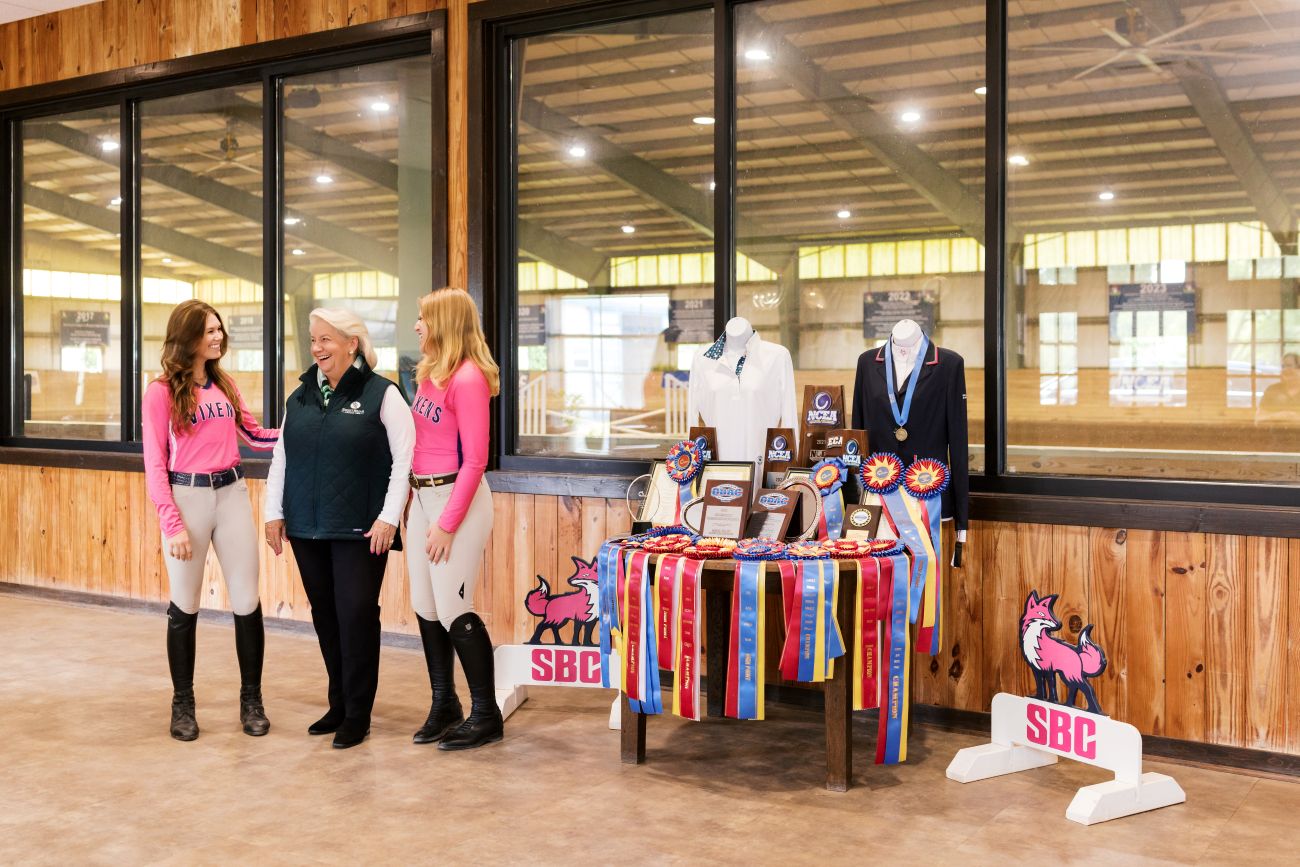
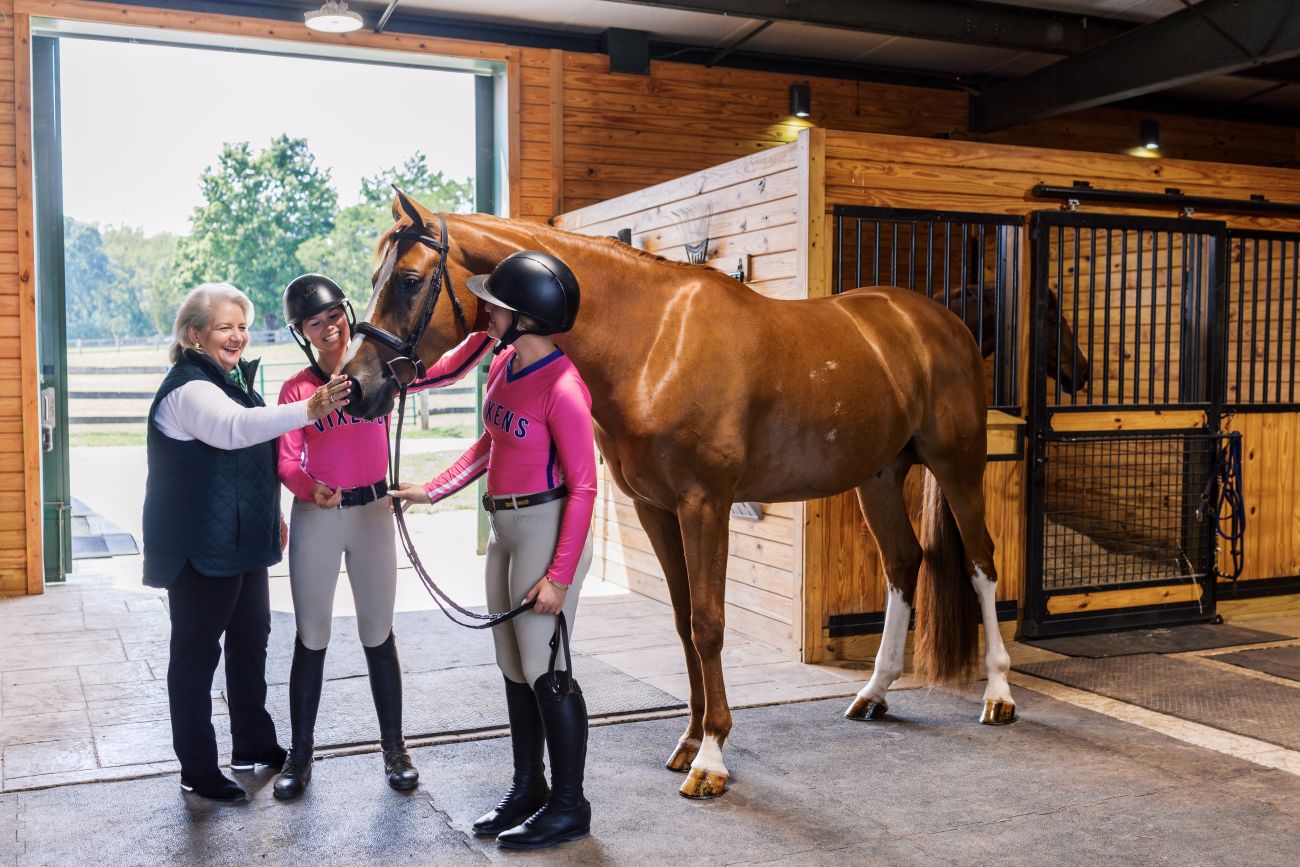
Under Hutson’s leadership, Sweet Briar’s engineering program has also grown as one of only two of its kind at women’s colleges, and Hutson emphasized the school’s commitment to “habits of the mind” as they prepare students for a world navigating new artificial intelligence technologies.
“The core of the work is to support a college for women, stand for women strongly,” Hutson told IW Features. “We know that this is a place of safety… You are inspired to really be a woman of consequence.”
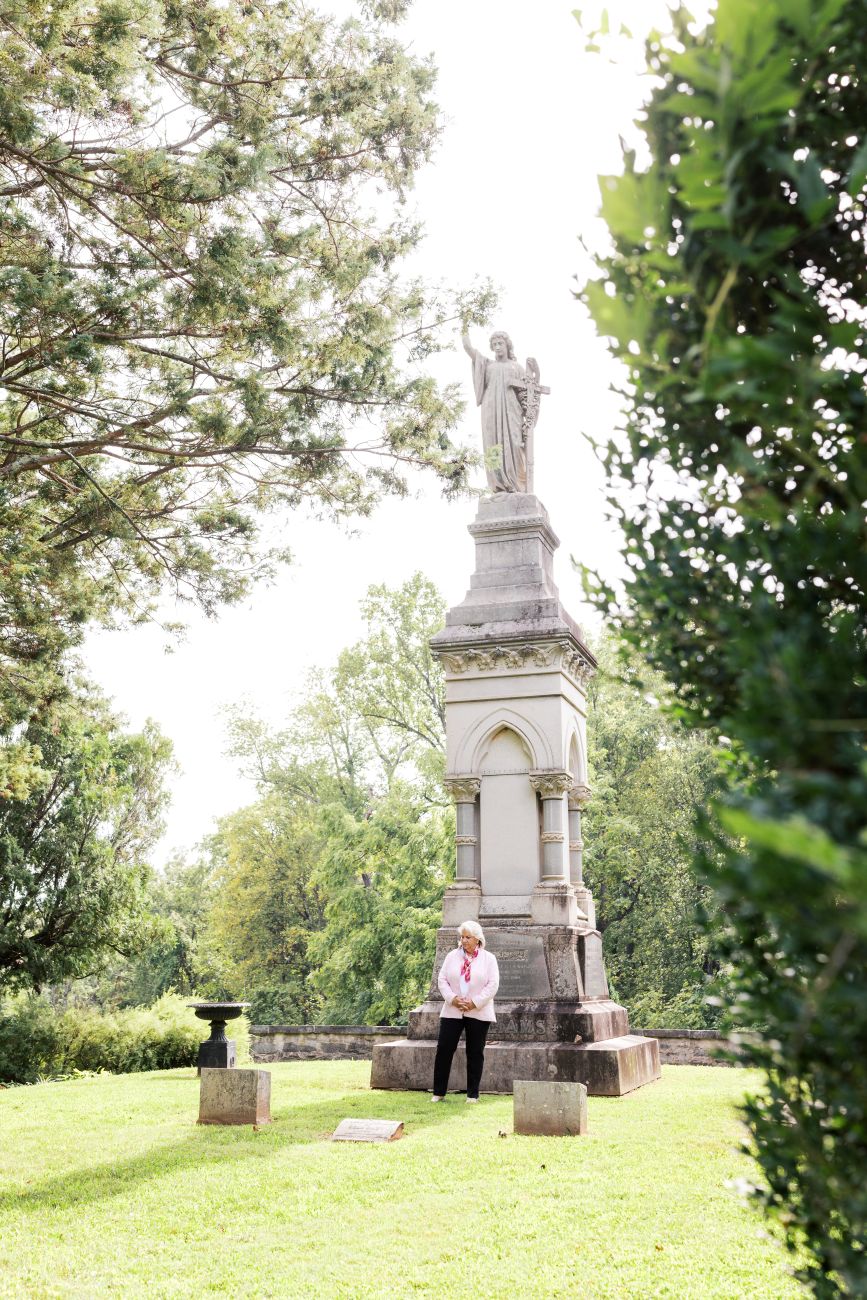
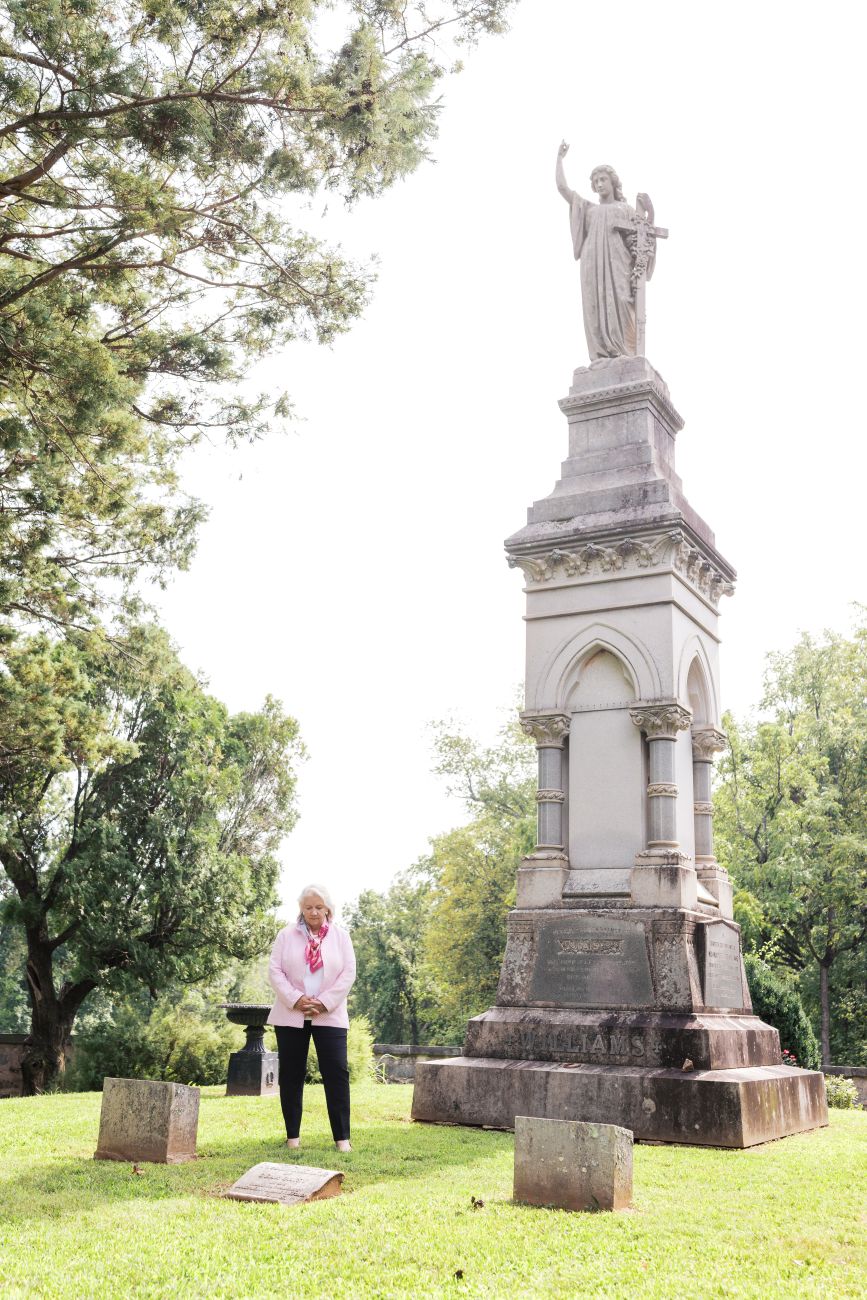
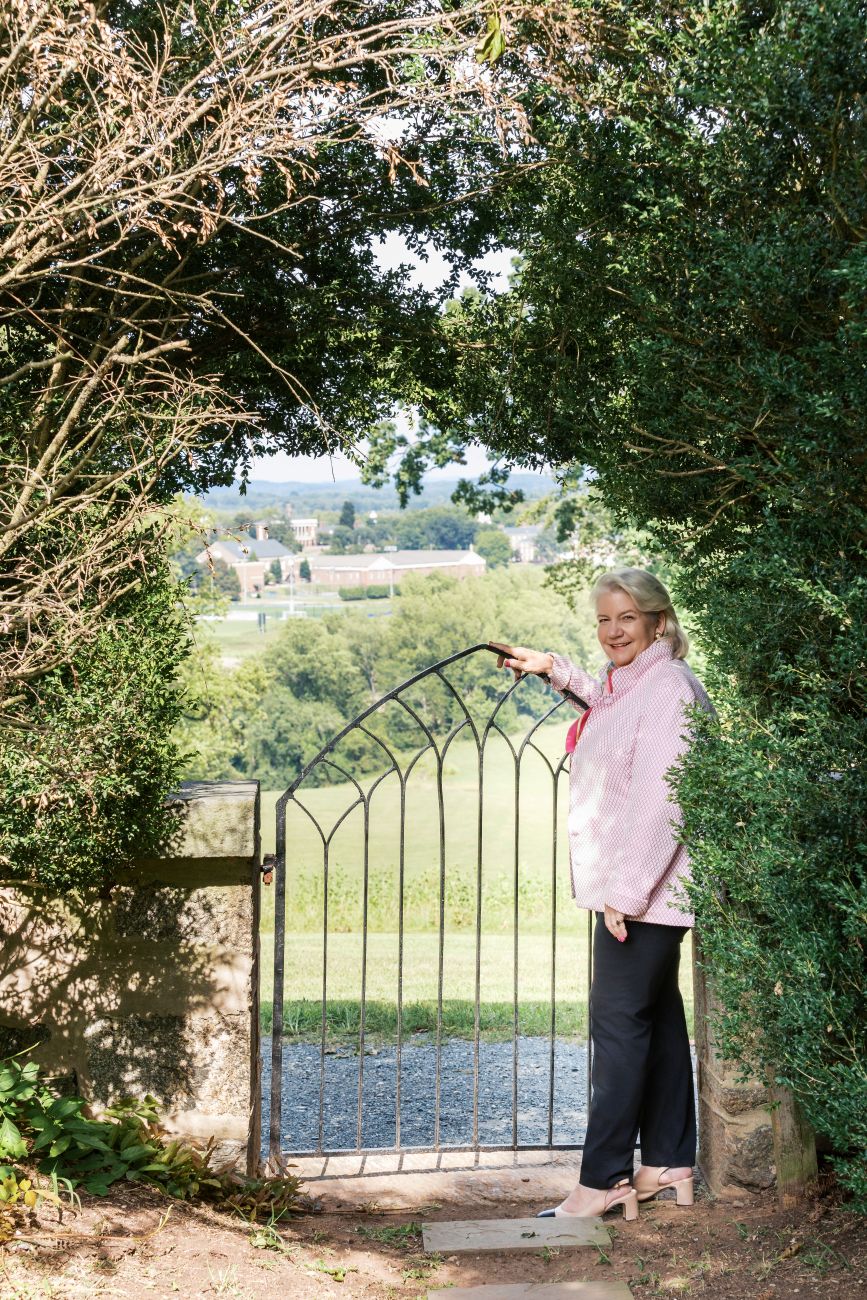
On Monument Hill, where Indiana Fletcher Williams, her daughter, and husband are buried, Hutson pointed out the plaque added to commemorate when alumnae saved the college in 2015. “We kept the faith,” the inscription reads.
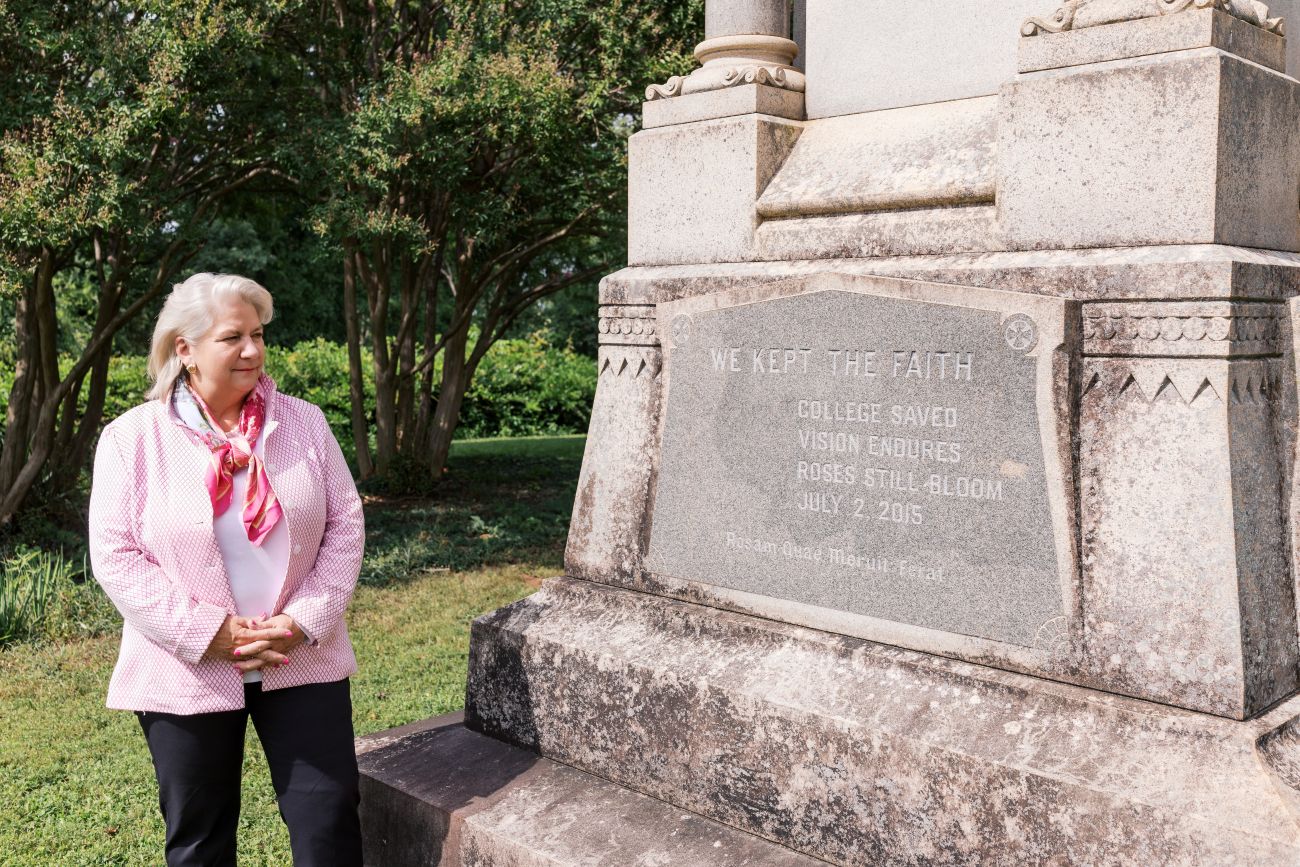
In 2024 when she stood up for women, Hutson lived up to that maxim. That commitment to women’s education—and the courage to stand for it—are what make Hutson a true champion woman.
“I have a little poster on [a] little card above my light switch in my office that says proceed as if success is inevitable,” Hutson said. “That’s what we’re here to do.”